
Short answer: usually no. Most sellers mark personalized items final sale, and there’s no blanket law in Canada forcing them to accept a change-of-mind return. But if the item arrives defective, damaged, or materially different from what you ordered, you’re still owed a remedy. Check the seller’s written policy before you buy, and keep your order confirmation either way.
TL;DR:
- Most personalized items are marked final sale, but sellers must repair, replace, or refund if the product is defective or materially different from the order.
- Canadian law does not require retailers to accept returns for change of mind, and many specify “final sale” at checkout to set clear expectations.
- A defective, damaged, or incorrect personalized item obligates the seller to provide redress regardless of final sale labels.
- Buyers should review the specific return policy before ordering, document approvals, and inspect products immediately upon delivery to support claims.
- Sellers can reduce disputes by clearly stating policies at checkout, obtaining buyer approval before production, and handling issues promptly with evidence.
Table of Contents
- What Canadian law and official guidance say about returns of personalized items
- How retailers typically word personalized item returns
- When a personalized item can still be refunded, replaced, or repaired
- What buyers should check before ordering and do if something’s wrong
- How small sellers should write policies and handle disputes
- How LootsByShiry handles personalized orders and returns
- What actually matters here (and what doesn’t)
- Where to buy personalized loot bags with a policy you can actually read
- Sources
- FAQ
What Canadian law and official guidance say about returns of personalized items
There’s no federal or provincial rule that hands you an automatic right to return something because you changed your mind. Merchants set their own refund and exchange rules, and the Office of Consumer Affairs confirms it plainly: businesses aren’t obligated to accept returns unless the goods are defective. That’s the baseline for personalized mugs, engraved jewellery, and monogrammed bags alike.
Online sales get one added layer. Under the internet sales contract harmonization template, a supplier must refund the full amount within 15 days once a contract is properly cancelled, and the buyer has to return the goods unused within 15 days of cancellation or delivery. That rule is built for standard goods; custom items still hinge on what the seller disclosed at checkout.
A few things worth knowing before you assume you’re stuck:
- No general “cooling off” period exists for retail purchases in Canada, personalized or not.
- Merchants offering a warranty or guarantee on personalized goods must be able to actually deliver on it, per Competition Bureau guidance.
- Policy wording at checkout usually overrides anything implied on a product photo or ad.
How retailers typically word personalized item returns
Scroll to the bottom of most product pages selling custom goods and you’ll spot near-identical phrasing: “final sale,” “customized products made specifically for you,” or “not eligible for return.” That language isn’t accidental. It’s there to set expectations before you click “buy,” and it holds up in most disputes because it’s disclosed upfront.
Big retailers show this pattern clearly:
- Amazon lists customized products made specifically for you as non-returnable, but still tells customers to contact support if the item shows up damaged, defective, or wrong.
- Apple Canada generally accepts returns on undamaged products within a set window, though engraved or custom third-party products can carry separate rules.
- Marketplace sellers (the small shops operating inside a bigger platform) often set their own return terms, separate from the platform’s general policy, so the return process can vary widely from one listing to the next.
That last point trips people up constantly, especially in marketplaces where sellers offer merchandise customizations. You assume the marketplace’s general policy applies, then discover the individual seller has posted something stricter in their shop’s fine print.
When a personalized item can still be refunded, replaced, or repaired
A final-sale label doesn’t erase every obligation. Certain situations force a seller’s hand regardless of what the product page says:
- Defective or damaged in transit. If the item breaks, malfunctions, or arrives visibly damaged, the seller typically owes a repair, replacement, or refund.
- Materially different from the order. Wrong name spelled correctly on the wrong product, wrong colour entirely, wrong size that doesn’t match what was confirmed. That’s not “personal preference,” that’s an error.
- False or unbacked guarantees. If a seller advertised a satisfaction guarantee and won’t honour it, that can trigger Competition Bureau scrutiny over deceptive marketing.
Report the problem quickly, and photograph everything before you touch or discard packaging. Evidence collected on day one carries far more weight than a complaint filed three weeks later with no proof.
What buyers should check before ordering and do if something’s wrong
Before you commit to a name, monogram, or colour combination, do the boring homework that saves you a headache later.
Before buying:
- Read the return policy on the actual product page, not just the site’s general FAQ.
- Screenshot any proof or mockup the seller sends for approval, along with the date.
- Confirm spelling, colour, and size choices in writing before the order goes into production.
On delivery:
- Inspect the item the moment it arrives, not a week later.
- Photograph any damage, defect, or mismatch immediately, including the packaging.
- Keep your proof of delivery and original order confirmation.
If there’s a problem:
- Contact the seller directly with clear photos and a specific request (repair, replace, or refund).
- Ask for their response in writing, not just a phone call.
- If the seller stalls or refuses without cause, you can escalate through a formal complaint route.
When it’s a marketplace purchase: contact both the marketplace and the individual seller, since responsibility for returns on marketplace platforms often sits with the third-party seller, not the platform host. Save every message in case you need it later.
Pro Tip: Never approve a mockup by text or verbal “yes.” A dated screenshot of your written approval is the single strongest piece of evidence if a dispute ever comes down to “you asked for this” versus “this isn’t what I ordered.”

How small sellers should write policies and handle disputes
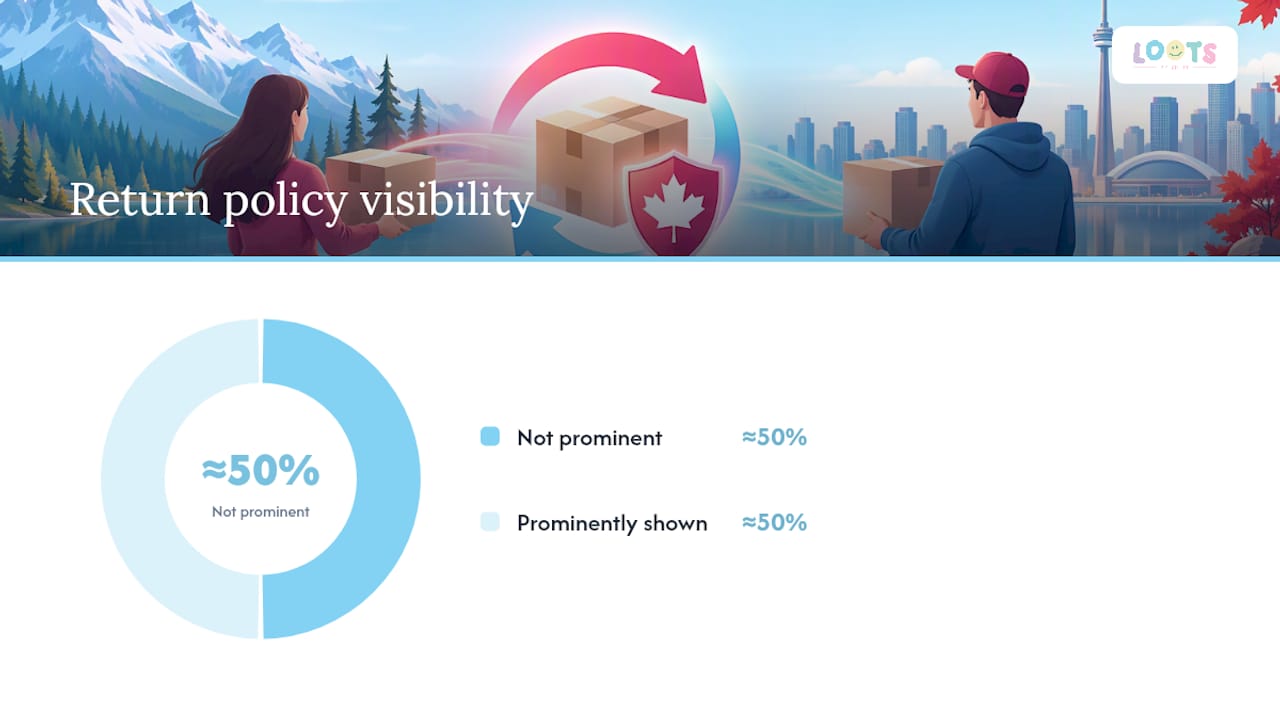
If you sell custom goods, vague policy wording is what generates angry emails, not the final-sale rule itself. Research from the Office of Consumer Affairs found that roughly half of stores don’t display return policies prominently, which leaves buyers guessing until something goes wrong. Fix that first.
A workable policy includes:
- A final-sale notice for personalized items, placed on the product page and at checkout, not buried in a separate terms page.
- A stated remedy for defects or incorrect items, so buyers know what happens if you get it wrong.
- A required approval step, where the buyer signs off on a proof or mockup before production starts.
- Clear timing on cancellations, matching the 15-day refund and return window used in standard online sales rules.
When a return request lands in your inbox, ask for photos first, offer repair or replacement before jumping to a refund, and keep a written record of every exchange. If you advertised a guarantee, honour it exactly as written. That’s not just good customer service, it’s what keeps you clear of Competition Bureau trouble.
Pro Tip: An approvals workflow where the buyer signs off on a mockup before you cut, print, or stitch anything resolves most “that’s not what I wanted” disputes before they become disputes at all.
How LootsByShiry handles personalized orders and returns
LootsByShiry builds every custom loot bag order around an approval checkpoint: you see a mockup, you confirm the name, patch, or colour choice, and production only starts after that sign-off. The refund and returns policy spells out what’s covered, and defect or damage claims get handled with photos and direct follow-up rather than back-and-forth guesswork. When a specific personalization request isn’t workable, the custom ink alternatives page offers other routes before an order ever ships. None of that undermines the final-sale reality of custom goods. It just means fewer surprises on either side.
What actually matters here (and what doesn’t)
Most advice about personalized returns focuses on the wrong question. People want to know “is this legal?” when the better question is “did the seller tell me clearly what happens if this goes wrong?” Canadian law gives merchants wide latitude to write their own return rules, so the real protection isn’t a statute, it’s disclosure. A seller who buries their final-sale clause in a footer link is taking a bigger risk than one who states it plainly at checkout, because vague policies are exactly what generate disputes and chargebacks.
The other overrated idea is that “final sale” means “no recourse ever.” It doesn’t. Defects, wrong items, and false guarantees blow past that label every time, and sellers who forget this end up facing complaints they could have avoided with a five-minute email and a replacement.
If you’re buying, spend two minutes reading the actual policy before you personalize anything. If you’re selling, spend an afternoon writing a policy that says exactly what you’ll do when something goes wrong. That single habit prevents more disputes than any legal fine print ever will.
— Shiry
Where to buy personalized loot bags with a policy you can actually read
This vendor offers customization with clear return policies to reduce buyer uncertainty. You pick the names, patches, and colours, approve a mockup before anything goes into production, and know upfront what’s covered if something arrives wrong.
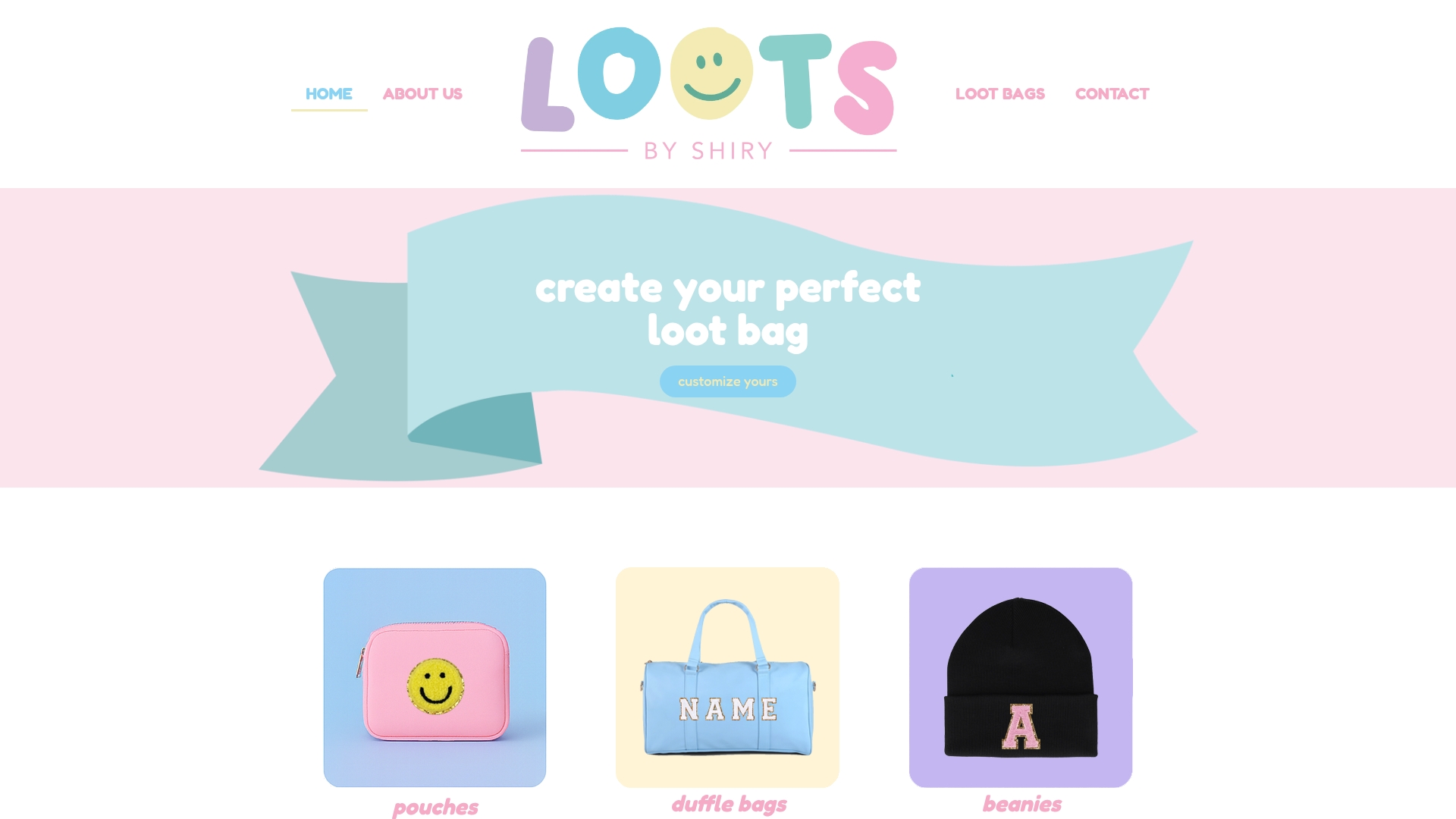
The shop carries Cotton Tote Bags and pastel pouches each priced around twelve dollars, and Colour Changing Tumblers around ten dollars, all customizable to your event. For full loot bag sets, the loot bags page covers pricing details plus optional wrapping at fifty cents per bag and delivery at ten dollars. Orders generally include an approval step before production, serving as a safeguard commonly recommended for customization processes. If you’re planning a birthday, corporate event, or themed party and want personalization without the return-policy anxiety, browse the personalized party favours or reach out directly to discuss a custom order.
Sources
- Refund and exchange – Office of Consumer Affairs
- Warranties and guarantees – Competition Bureau
- Amazon
FAQ
What items generally can’t be returned?
Personalized or custom-made goods, perishable items, and opened intimate or hygiene products are the most common exclusions. Sellers list these exceptions in their own policy, since there’s no universal Canadian rule barring returns on these categories, per the Office of Consumer Affairs.
Can personalized items be returned to Apple?
Apple Canada typically accepts returns on undamaged products within its standard window, but engraved or custom third-party products can carry separate rules. Always check the specific product’s return terms before ordering an engraved item.
Can you return an item after opening it?
It depends entirely on the seller’s policy, not a fixed law. Non-custom items are often returnable after opening if undamaged, while personalized items usually aren’t, regardless of whether packaging was opened.
Can you return personalized items on Amazon?
Generally no. Amazon.ca lists customized products made specifically for you as non-returnable, but still advises contacting customer service if the item arrives damaged, defective, or materially different from what was ordered.
Are personalized gifts refundable if the name is spelled wrong?
Yes. A spelling error that doesn’t match your approved order is a seller mistake, not a change of mind, so it typically qualifies for a replacement or refund. Keep your original approval screenshot as proof of what you actually requested.