
Give each guest one durable, useful item instead of a bag of sugar. A small personalized keepsake, a reusable practical piece, or a mini activity kit costs about the same as candy in bulk and survives past the car ride home. For toddlers, keep it simple and chewable-hazard-free; for school-age kids, add a personalization touch. Budget $2 to $8 per child depending on the category.
TL;DR:
- Personalizing favors with a child’s name or a simple design significantly increases their likelihood of being kept and used long after the party.
- Reusable items like water bottles, tote bags, and craft kits offer both sustainability and value, often lasting months or years with proper use.
- Budgeting around $2 to $8 per child allows for a variety of favor options, from inexpensive seed packets and crayons to more durable personalized items.
- Avoid plastic and packaging that can’t decompose by choosing items made from natural materials like wood, seed paper, or organic cotton, and minimize single-use wrapping.
- Activities and favor-making stations, such as planting or decorating tote bags, turn favors into memorable experiences that guests take home proudly.
Table of Contents
- Best non candy party favors by age and budget
- Sustainable, low-waste favours that don’t feel like a compromise
- Allergy-safe and dietary-friendly favour picks
- How to budget non candy loot bags for a big guest list
- Personalization touches that make kids actually keep the favour
- DIY activity favours that guests take home
- Why we build favours to be kept, not tossed
- Ready to order personalized favours for your next party?
- Sources
- FAQ
Best non candy party favors by age and budget
The trick to picking good non candy party favors isn’t finding the trendiest item. It’s matching the category to the age group and knowing the rough price band before you start shopping, so you don’t end up overpaying for something a five-year-old forgets by dinner. Below are the categories that consistently work, organized by what they cost and who they’re for.
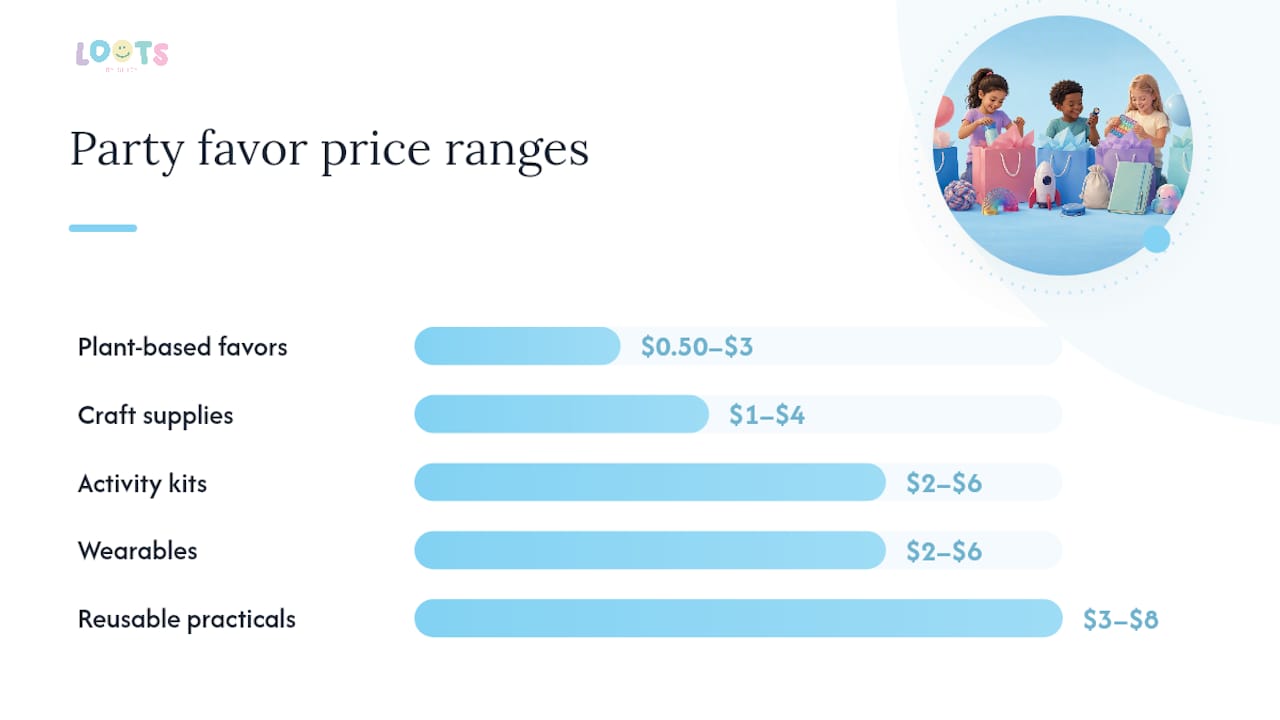
Activity kits hit hardest with kids aged five and up. A friendship-bracelet kit with pre-cut string and beads, or a mini watercolour set with a brush and six colours, runs $2 to $6 and gives a guest something to do at home, not just something to own. These work particularly well for craft-themed parties where the activity itself becomes part of the send-off.
Books and bookmarks span almost every age, from board books for toddlers to chapter-book samplers for older kids. Dollar-store paperbacks or bulk-ordered picture books land in the $2 to $8 range, and a laminated bookmark tucked inside costs pennies. Parents remember who gave the book long after the birthday itself, which is more than you can say for a plastic ring that ends up in the vacuum.
Wearables like patterned socks, ball caps, or small enamel pins work from about age four onward and run $2 to $6. Kids like wearing things that feel like theirs, and a cap or a pair of fun socks doesn’t get tossed the way a sticker sheet does.
Reusable practicals are where the sustainability argument and the budget argument line up perfectly. Silicone snack bags, small water bottles, or collapsible cups cost $3 to $8 and solve an actual household problem for the receiving family. One Geek Mamas breakdown found that cost-per-unit on items like these often overlaps with what parents already expect to pay for throwaway favours, especially once you buy in bulk.
Plant-based favours like seed packets or a mini terracotta pot with soil pellets cost $0.50 to $3 and appeal to nature-themed or spring parties. They’re suitable from about age four, once a kid can be trusted not to eat the dirt.
Craft supplies on their own, without a themed kit, still work: a small sketchbook and a pack of triangular crayons costs $1 to $4 and suits kids three and up. Triangular or jumbo crayons are worth the extra dime because they don’t roll off tables and are easier for small hands to grip.
Preloved or toy-swap finds deserve more attention than they get. A clean, gently used board game piece, a single Lego minifigure, or a secondhand puzzle can be sourced from thrift stores or neighbourhood swap groups for next to nothing. Wipe items down with a mild soap solution, check for choking-hazard-sized loose parts, and skip anything with frayed fabric or peeling paint. This is the cheapest category on the list and one of the most sustainable, since nothing new gets manufactured for a one-day event.
Mini educational kits for kids six and up, like a bag with a small magnifying glass and a “grow your own crystal” packet, cost $2 to $6 and tend to outlast almost every other category because parents actively encourage kids to use them.
Edible-but-safe options aren’t off the table entirely; they just need care. A single-ingredient, clearly labelled local snack, like a small bag of dried apple or a mini jar of local honey, can work as a non-candy edible favour. Community-sourced lists such as 100 Days of Real Food’s roundup point to bubbles, books, crayons, and small activity kits as the items parents already trust, which tells you a lot about where demand actually sits.
Small keepsakes like keychains or enamel pins suit kids five and older. Check for secure backings and avoid anything with small magnets or button batteries for the under-eight crowd, since those pose serious swallowing risks.
- Activity kits (bracelet-making, mini paint sets): ages 5+, $2 to $6
- Books and bookmarks: ages 0 to 10+, $2 to $8
- Wearables (socks, caps, pins): ages 4+, $2 to $6
- Reusable practicals (snack bags, bottles): ages 3+, $3 to $8
- Plant-based favours (seeds, mini pots): ages 4+, $0.50 to $3
- Craft supplies (crayons, sketchbooks): ages 3+, $1 to $4
- Preloved/secondhand finds: any age, sourcing and cleaning required
- Mini educational kits (magnifiers, crystal kits): ages 6+, $2 to $6
- Edible-but-safe single-ingredient snacks: labelled and disclosed
- Small keepsakes (keychains, pins): ages 5+, check hardware safety
Pro Tip: Buy one category in bulk rather than mixing five different small items. A single reusable water bottle per child, ordered in one batch of 20, almost always costs less per unit than five separate $1 trinkets, and it’s the one thing every kid actually uses again.
Sustainable, low-waste favours that don’t feel like a compromise
Real sustainability comes down to two things: what the item is made of, and how much packaging it drags along with it. A buying guide from Eco Friendly Party makes the point plainly: a product marketed as “eco” but wrapped in a plastic blister pack isn’t actually solving anything. Favour solid wood, organic cotton, and genuine seed paper over anything labelled “biodegradable” without specifics, since some of those products still contain synthetic binders that need industrial composting facilities most cities don’t have.
- Choose materials that break down or last. Untreated wood, cotton, and seed paper degrade naturally or get reused; mixed plastics and foil-lined packaging usually end up in landfill regardless of what the label promises.
- Swap the packaging, not just the contents. A reusable cotton pouch, a kraft paper cone tied with string, or a small paper bag does the job of a plastic loot bag without the guilt, and pouches double as a second gift.
- Buy local and buy used where you can. Sourcing from a local maker or a secondhand marketplace cuts shipping waste and often beats retail pricing, especially for wooden toys and craft supplies.
- Check seed mixes for your region. A generic “wildflower” packet can fail to sprout in the wrong climate zone; native seed mixes have a far better success rate, which matters if the whole point is watching something grow.
A survey cited by The Kids Party Pact found strong parental preference for less waste at kids’ parties overall, with many families actively favouring preloved items or skipping the loot bag format entirely in favour of an in-party experience. That preference shows up again and again in parenting forums, where threads on non-plastic favour alternatives get dozens of responses every time someone asks.
Before you buy anything labelled “eco-friendly,” check three things: does it list the actual material (not just “natural”), does the packaging match the claim, and can the item be composted or recycled in your municipality, not just in theory somewhere else.
Allergy-safe and dietary-friendly favour picks
Skip edible favours entirely if you don’t know your guest list’s allergies, because a peanut-adjacent snack at a birthday party is a bigger risk than most parents realize until it happens. Non-edible favours sidestep the entire problem and work for every dietary restriction without exception.
Reliable allergen-free defaults include:
- Small books or activity kits with no food component at all
- Craft supplies like crayons, stickers, or sketchbooks
- Wearables such as socks or caps
- Plantable seed packets, which carry zero food-allergy risk
If you do want to include something edible, choose a single-ingredient, clearly labelled local snack, like plain dried fruit or a small bag of popcorn, and state the ingredient on the packaging itself rather than assuming parents will ask. Family-favourite lists like 100 Days of Real Food’s candy-free roundup lean on this exact approach: bubbles, books, and simple treats over anything processed or mixed.
Collecting allergy information ahead of time saves you from guessing. A simple RSVP line works well: “Please let us know of any food allergies so we can plan favours accordingly.” Send it with the invitation, not as a follow-up text three days before the party, so you have time to adjust your shopping list.
How to budget non candy loot bags for a big guest list
Per-child cost scales with how much personality you want in each favour, and knowing the bands ahead of time keeps you from overspending on impulse buys at the check-out aisle.
- Budget tier ($1 to $3 per child): seed packets, single crayons with a sticker, a small paper favour cone. Best for large guest lists of 15 or more where volume matters most.
- Mid tier ($3 to $6 per child): activity kits, socks, small books, reusable snack bags. This is the sweet spot for most home birthday parties.
- Higher tier ($6 to $10 per child): personalized tote bags, colour-changing tumblers, or a small toy paired with a keepsake card. Reserve this for smaller guest lists of 10 or fewer, where quality matters more than quantity.
Buying in bulk consistently lowers the per-unit cost, and setting up an assembly line at your kitchen table (one item per station, one parent or older sibling per station) turns a two-hour task into twenty minutes. If you’re choosing between one higher-value item and three small ones, the research leans toward one meaningful piece: parents and kids alike report less clutter and more actual use from a single reusable favour than from a handful of small plastic pieces, according to the durability data from Geek Mamas.
Pro Tip: Work backward from party day. Order personalized items by three weeks out, assemble non-perishable pieces one week ahead, and label anything edible the morning of the party, not the night before, so labels don’t smudge in a fridge.
Personalization touches that make kids actually keep the favour
A name tag, an initial stamp, or a small printed patch changes how a kid treats an item. Something with their name on it stops being “a party favour” and becomes “mine,” and that shift is most why personalized items get kept while generic ones get lost within the week.
- Stamps and stickers are the cheapest personalization route, adding maybe $0.25 to $0.50 per item, and work well for craft supplies or paper packaging.
- Printed name tags or iron-on patches cost a bit more, often $1 to $2 per unit, but suit wearables and totes especially well.
- Reusable pouches or printed cards elevate a small, otherwise forgettable item into something that looks intentional. A $12 cotton tote bag with a child’s name on it reads completely differently than a plain plastic bag stuffed with trinkets, even though the contents might be identical.
- Pastel pouches work the same way for smaller items like keychains or a mini craft kit, giving cheap contents a presentation upgrade for a small add-on cost.
For a $10 tumbler, that might mean an extra dollar or two for a printed name. Given that durable, personalized items get kept far longer than generic ones according to keep-rate findings from Geek Mamas, that markup tends to pay for itself in how long the item survives past the party.
DIY activity favours that guests take home
Some of the best favours aren’t handed out. They’re made during the party and walk out the door with the guest, which means the activity and the favour are the same purchase.
- Paint-your-own tote station: set up plain cotton totes, fabric paint, and stencils. Cost runs about $4 to $7 per child depending on tote quality, and kids leave with a bag they actually decorated themselves.
- Seed-planting station: small pots, potting soil, and native seed packets cost $1 to $3 per child. A native seed mix matters here since a generic wildflower blend can fail to germinate outside its intended growing zone.
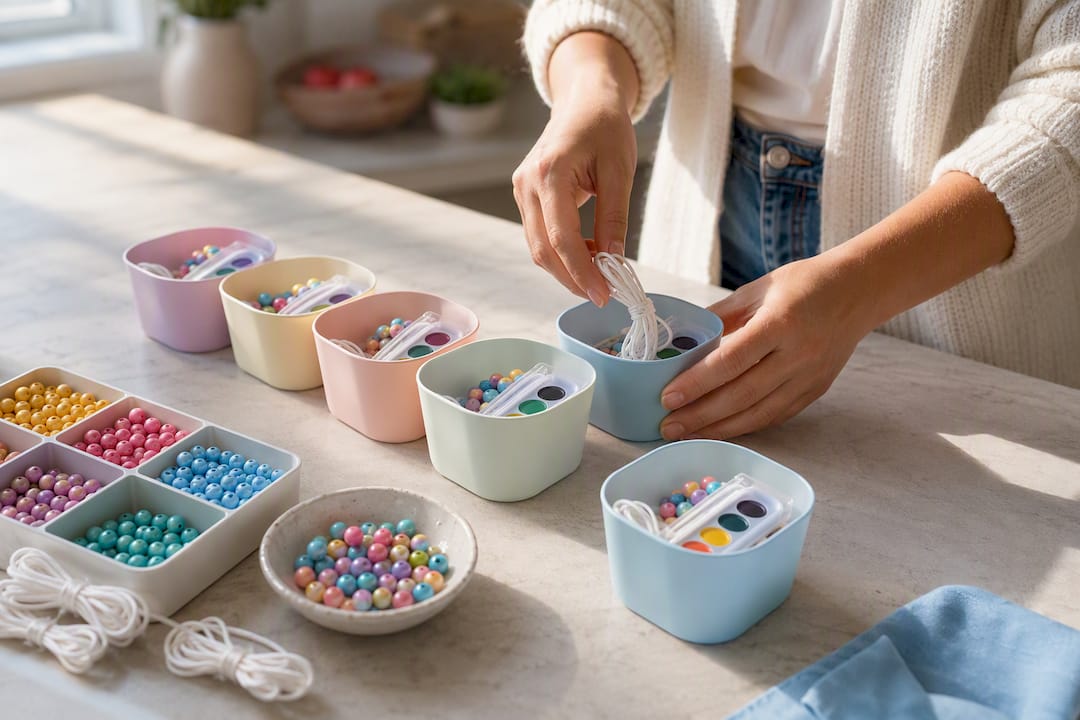
- Mini craft-kit assembly: pre-portion beads, string, and clasps into small bags before the party, then let kids assemble their own bracelet at a table. Materials run $2 to $4 per child.
Run these stations with one adult supervising per six to eight kids, and pre-portion every material ahead of time so nobody’s waiting around while you count beads mid-party. Keep sharp tools like fabric scissors adult-only, and lay down a plastic tablecloth under the paint station, since fabric paint stains carpet in about the time it takes to notice a spill. Any extra kits you prepped but didn’t use become bonus favours for siblings or a backup for kids who show up unannounced.
Pro Tip: Prep 10% more kits than your headcount. There’s always one kid who wants two, one kit that gets ruined mid-activity, and one last-minute plus-one nobody warned you about.
Why we build favours to be kept, not tossed
Most party favours are designed to be cheap enough to hand out and forgettable enough that nobody notices when they’re thrown away. That’s backwards. If an item is going into a child’s hands, it should be worth keeping, and the data backs this up: durable, personalized favours get used long after generic plastic trinkets end up in the trash, according to the keep-rate research from Geek Mamas.
At LootsByShiry, personalization isn’t a add-on gimmick; it’s the whole premise. Adding a child’s name, a patch, or a colour choice to a tote bag or loot bag turns a mass-produced item into something a kid recognizes as theirs from across the room. That’s not a marketing angle. It’s the difference between a favour that sits in a junk drawer and one that gets carried to school.
The most cost-effective personalization move is picking one detail that matters most, usually a name or a colour, rather than trying to customize every element of every item. A themed colour scheme across a batch of loot bags, paired with individual name tags, gives each guest something distinct without pricing the whole order out of reach. Save the deeper customization, like patches or multi-colour designs, for smaller guest lists or milestone birthdays where the extra cost per bag matters less than the impact.
Parents who order personalized favours consistently tell us the item outlasted the party itself, whether it’s a tote still being used for library trips months later or a tumbler that becomes a kid’s go-to water bottle. That’s the true measure of a good favour: not whether it looked good in the moment, but whether it’s still around in October.
— Shiry
Ready to order personalized favours for your next party?
This service turns the “what do I hand out instead of candy” problem into a one-stop order: pick a product, choose colours and names, and skip the multi-store scavenger hunt for trinkets that’ll be forgotten by dinner. The shop carries cotton tote bags at $12 each, pastel pouches at $12 each, and colour-changing tumblers at $10 each, all available with name, patch, and colour personalization built into the ordering process.
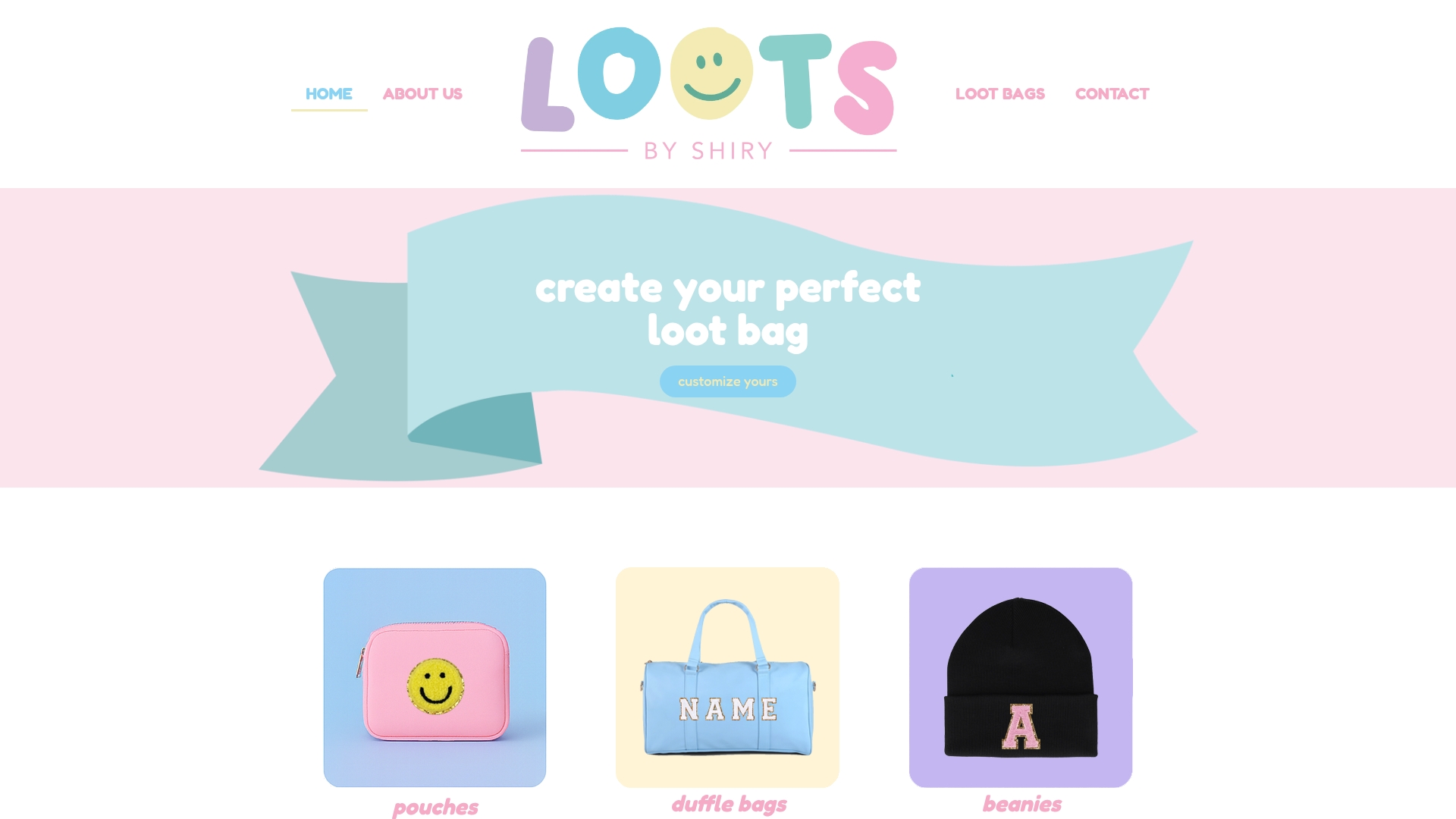
For a fully assembled option, the loot bags page lets you build a complete personalized bag rather than shopping items individually, with wrapping available for $0.50 per bag and delivery at $10. If your event calls for something outside the standard catalogue, whether that’s a specific colour combination, a themed patch, or a bulk order for a large guest list, LootsByShiry accepts custom order requests directly through the site. Start with the shop page, pick your base item, and add the personalization details at checkout.
Sources
For deeper reading on sustainability and favour selection, the Eco Friendly Party buying guide covers material vetting in detail. The Kids Party Pact documents parental attitudes toward low-waste alternatives, while Geek Mamas breaks down keep-rate data on durable versus disposable items. For quick, family-tested item ideas, 100 Days of Real Food’s list is a solid starting point, and Baby Goes Retro’s under-$25 gift collection offers additional affordable, non-candy inspiration.
- 7 custom party favor ideas that actually last beyond the car ride home – Geek Mamas
- Sustainable party bag alternatives – The Kids Party Pact
- Sustainable birthday party favors: the complete buying guide – Eco Friendly Party
- Candy-Free Party Favors – 100 Days of Real Food
FAQ
What’s a good party favour that isn’t junk?
A reusable practical item like a small water bottle, a personalized tote bag, or a craft kit works well because it gets used again rather than discarded within days.
What should I give instead of party favours?
Consider a small activity station, like a seed-planting or paint-your-own-tote setup, so the activity itself becomes the take-home item and you skip a separate favour purchase entirely.
What can I put in party bags instead of sweets?
Books, craft supplies, small wearables like socks or caps, and single-ingredient labelled snacks all work well as non-candy loot bag fillers, according to family-tested lists.
What are some cool non-edible party favours?
Personalized items like colour-changing tumblers, cotton totes with a child’s name, or mini educational kits tend to stand out, since personalization has been shown to increase how long kids keep an item.
How much should I budget per child for non-candy favours?
Plan for roughly $2 to $8 per child depending on the category, with budget-tier items like seed packets around $1 to $3 and higher-value personalized pieces running $6 to $10.