

Event swag is a branded item handed out to build visibility and reach, usually tied to a company or sponsor. A favor is a personal thank-you gift, chosen for the guest’s experience rather than brand exposure. The decision rule is simple: pick swag when your goal is brand reach at a trade show or conference, and pick a favor when the goal is making a guest feel appreciated at a wedding or birthday.
TL;DR:
- At conferences, registration desks and dedicated swag tables make visible logos expected; seat placement feels personal, while exit bags can serve either purpose.
- ASI reports that 85% of Canadians keep promotional items because they are useful, so choose one durable tote or charger over several cheap giveaways.
- Canadian planners distributing children’s textiles must check toy flammability rules, and food samples may require permits submitted at least six weeks before the event.
- Personalized favors are harder to reuse than branded stock, so confirm turnaround times and build a small headcount buffer rather than ordering exact quantities.
Table of Contents
- What counts as swag, what counts as a favor, and where hybrids fit
- Matching your event goal to swag or a favor
- What to spend, and why quality beats unit price
- Sustainability expectations and the Canadian rules planners need to check
- Curated ideas: keepable swag and favors worth giving
- How we build personalized keeps planners can replicate
- How swag and favors shape guest experience differently
- Getting distribution right at the event itself
- Quick rules we use when choosing between swag and favors
- Where to order personalized keeps that guests actually want
- FAQ
- Sources
What counts as swag, what counts as a favor, and where hybrids fit
Swag is any promotional item branded with a logo or message, distributed to extend a brand’s reach beyond the event itself. Trade show tote bags, conference lanyards and branded notebooks are classic swag: the item’s job is to keep a name in front of people long after they leave.
A favor is a small gift given to thank guests for attending, with no advertising function. Wedding favors like personalized candles, birthday loot bags, and fundraiser keepsakes all fall here: the point is the guest’s memory of the event, not a brand’s visibility.
Hybrids blur the lines on purpose. A loot bag handed out at a corporate family day might carry a subtle logo but is built around fun, personalized contents rather than a sales message. Corporate event kits that mix branded items with genuinely useful extras, like a tote with a portable charger and a handwritten note, work the same way.
Where you hand items out changes how they read to guests:
- Entrance distribution (registration desks, welcome tables) signals swag: guests expect branding and treat items as expected marketing.
- Seat placement (table settings, place cards) signals a favor: guests see it as a personal touch planned just for them.
- Exit distribution (goodie bags on the way out) works for both, but unbranded or lightly branded items read warmer as a parting gift.
- Dedicated swag tables at conferences make branding explicit and expected, so heavier logos are acceptable there.
Classify your item by its primary job: marketing reach or guest appreciation. That single question resolves most of the ambiguity planners run into.
Matching your event goal to swag or a favor
The right choice comes down to four questions: What’s the objective (brand lift, attendee delight, or retention)? Who’s the audience (prospects, employees, close friends and family)? When does distribution happen? And how will you measure success? A trade show chasing lead generation needs swag that keeps a logo visible for months. A wedding chasing a warm, memorable send-off needs a favor with zero sales pitch attached.
Here’s how that plays out across common event types:
- Trade shows and expos: choose swag. Durable, branded items with real utility (totes, chargers) extend reach after the event ends.
- Conferences: choose swag with a favor mindset. Branding matters, but usefulness drives whether attendees keep the item at all.
- Weddings: choose favors. Personalized, unbranded keeps match the emotional tone guests expect.
- Birthdays and milestone parties: choose favors, often as loot bags with a personal theme rather than a company name.
- Fundraisers and galas: choose experience-first favors, like donation-linked gifts, since promotional branding can undercut the cause’s tone.
Pro Tip: Track swag performance with a simple method, a QR code on the item or a follow-up survey question asking what attendees remember receiving rather than guessing at recall.
Measurement differs by category too: swag success is tracked through brand recall or lead attribution, while favor success is tracked through guest feedback and repeat attendance at future events you host.
What to spend, and why quality beats unit price
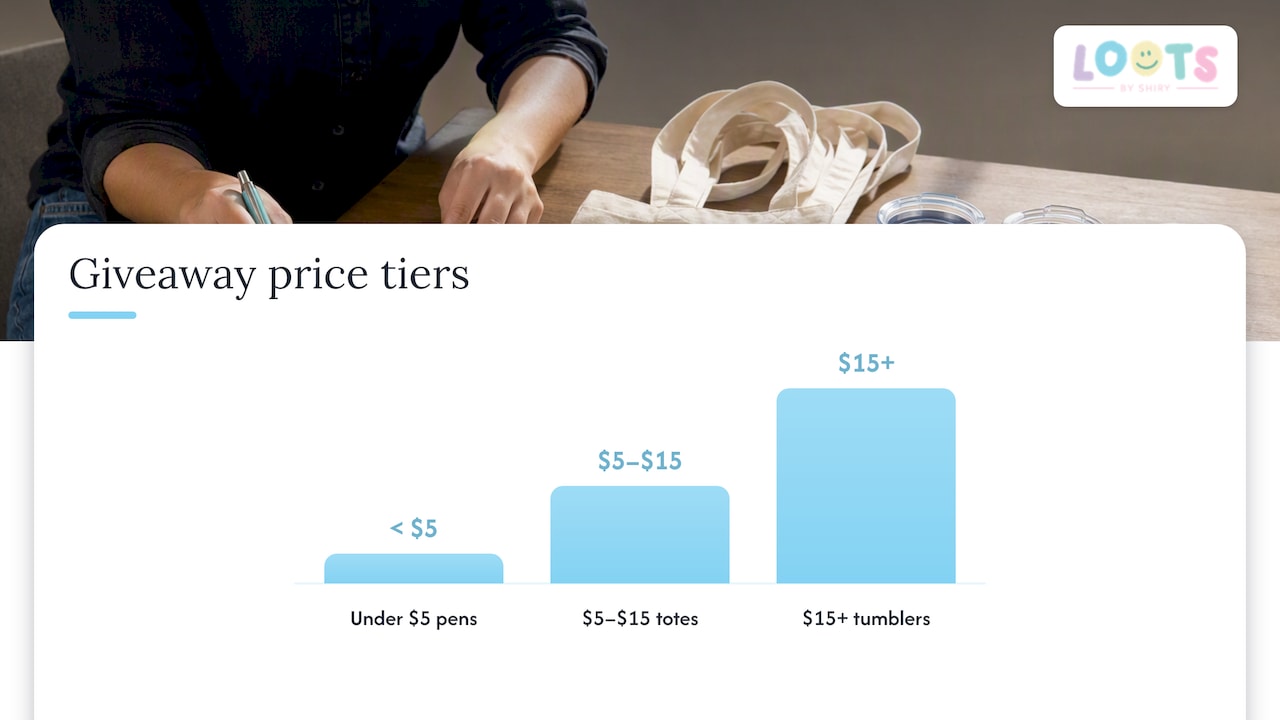
Budget bands for giveaways tend to cluster around three levels: under $5 per head for basic branded items like pens or stickers, $5 to $15 for mid-tier items like totes or pouches, and $15 and up for premium keeps like personalized tumblers or curated loot bags. The jump in perceived value rarely tracks the jump in price dollar for dollar.
Nearly 9 in 10 Canadians report viewing a brand more favourably after receiving a useful, high-quality promotional item, and ASI’s 2026 Canada findings show 85% keep promo items specifically because they’re useful. That data point matters more than raw spend: a $12 item attendees actually use beats three $4 items that end up in the trash.
A few low-cost moves push perceived value higher without raising unit cost much:
- Use tissue paper or a branded sticker seal instead of a plain poly bag.
- Pair one useful item with one personalized touch (a name tag, a colour choice) rather than three generic filler pieces.
- Choose matte finishes and solid fabric totes over shiny plastic, which reads as cheaper even at the same price point.
Our guide to branded giveaways attendees actually keep goes deeper on which item categories hold up best after the event ends.
Sustainability expectations and the Canadian rules planners need to check
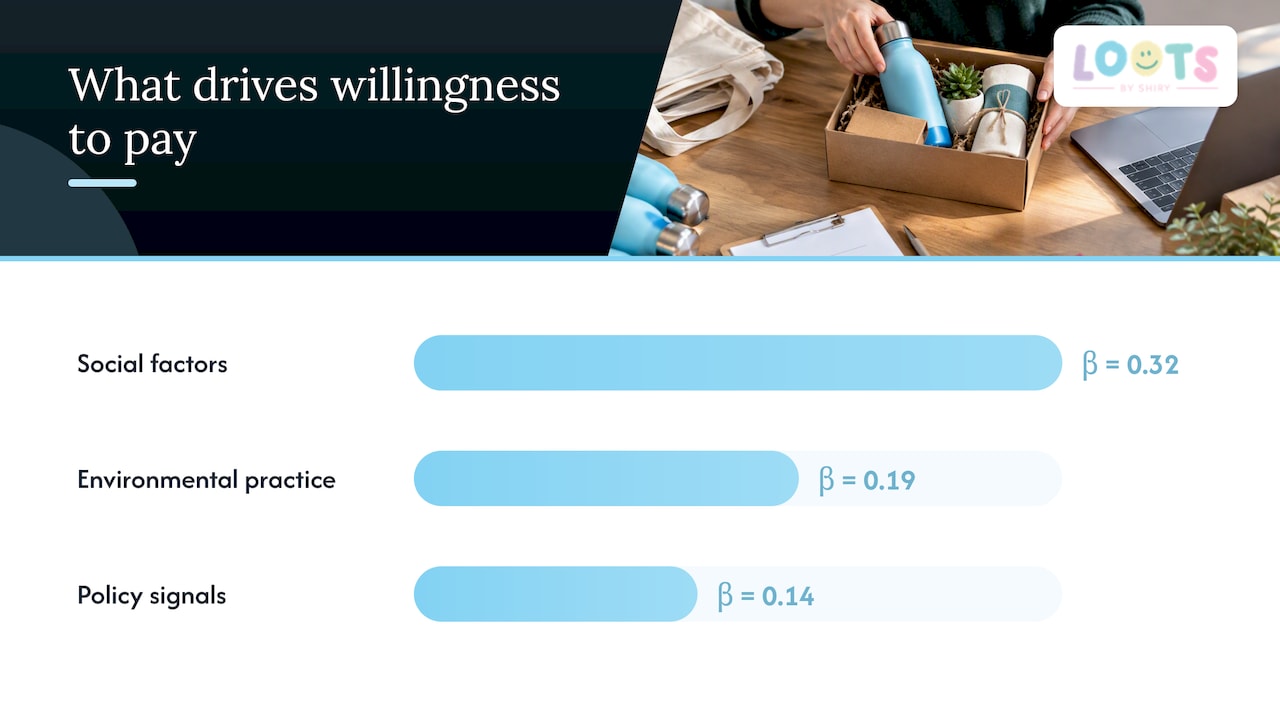
Guests increasingly judge a brand’s values by what it hands out. Research on event sustainability found that social factors carry the strongest effect on attendees’ willingness to pay a premium for an event (β = 0.32), ahead of environmental practice (β = 0.19) and policy signals (β = 0.14), according to a study on sustainability and willingness to pay. Single-use plastic giveaways tend to read as the opposite of that commitment.
Regulatory checks matter just as much as optics, particularly for children’s items and food:
- Textile items for kids, like plush toys or costume pieces, fall under Health Canada’s flammability requirements for children’s toys, so check fabric specs before ordering in bulk.
- Suppliers and direct sellers distributing giveaways in Canada carry reporting duties under the Canada Consumer Product Safety Act, and items under recall or listed in Schedule 2 can’t be distributed at all.
- Infant-focused items deserve an extra safety pass; LOVEDFULLY’s quick safety checks for infant toys covers practical steps parents and planners can both use.
- Food samples handed out at events need planning ahead: CFIA guidance on trade shows and exhibitions notes permits often need to be submitted six or more weeks in advance.
Curated ideas: keepable swag and favors worth giving
Trade shows and conferences do best with a small cluster of genuinely useful items rather than a pile of filler. A durable cotton tote carries a logo well without feeling like an ad, a branded notebook gives attendees something to actually use during sessions, and a portable charger solves a real problem at a multi-day event. Each item earns its place by solving a guest’s actual need, not just by having room for a logo.
Weddings and parties call for a softer touch. Personalized pouches with a guest’s name or initials feel like a gift rather than a marketing pass-along, small artisanal keeps (soap, candles, local treats) hold up well when guests travel home, and presentation does real work here: a simple ribbon or wax seal elevates a $10 item into something that reads intentional. Our Quinceañera favor guide walks through packaging choices for milestone events specifically.
Small socials and fundraisers benefit from experience-first favors over objects. A donation made in the guest’s name, a packet of seeds tied to the event’s theme, or a hybrid loot bag mixing a practical item with a personal note all work better than a branded giveaway at a cause-driven event.
Pro Tip: Order personalization-ready items (totes, pouches) in bulk, then customize in smaller batches closer to the event date, so you’re not locked into final guest counts months ahead.
Sourcing notes matter at scale: lead times for personalized items tend to stretch with order size, so confirm turnaround before locking a guest list. A planner’s guide to custom tote bags covers fabric and print choices that hold up across different order volumes.
- Durable totes and notebooks suit brand-forward events where reach matters most.
- Personalized pouches and artisanal keeps suit guest-forward events where memory matters most.
- Hybrid loot bags suit family and community events that want a light brand touch without feeling corporate.
How we build personalized keeps planners can replicate
Our process starts with the choices that actually move keep rates: a guest’s name on a bag, a patch that ties to the event theme, or a colour pulled from a wedding palette. Each of this personalization options signals effort in a way a generic logo never does, and that effort is what gets an item kept on a shelf instead of tossed.
A simple checklist keeps the process efficient:
- Confirm functionality first (will this item get used after the event?).
- Keep branding subtle unless the event explicitly calls for visibility.
- Treat packaging as part of the gift itself, not an afterthought.
From there, planners can browse our personalized party favors options or review conference swag bag ideas that attendees tend to hold onto, depending on which side of the swag-versus-favor line their event falls on.
How swag and favors shape guest experience differently
Swag builds a brand impression that compounds over time: a tote carried through an airport, a notebook used in a dozen future meetings. The guest doesn’t need to feel anything special about the item for it to work; it just needs to survive and stay visible. That’s why utility and durability matter more than sentiment for swag.
Favors work the opposite way. Their entire value lives in the moment of receiving them and the memory attached to that moment. A guest won’t remember a favor for its material quality the way they remember whether it felt personal. A name on a bag, a colour that matched the day, or a small note does more for guest experience than a higher price tag ever could.
Branding suffers when the two get mixed up. A heavily logoed item at a wedding reads as tone-deaf, pulling focus from the couple onto a sponsor nobody asked about. An unbranded, purely sentimental item at a trade show wastes a reach opportunity a company paid for. Matching the item’s design to the event’s actual purpose protects both the brand’s goals and the guest’s experience, and getting that match right is most of what separates a forgettable giveaway from one people actually talk about afterward.
Getting distribution right at the event itself
Timing and location decide whether an item lands as intended. Swag distributed at a registration desk or dedicated table gets treated as expected marketing, so heavier branding is fine there. The same item placed on a dinner seat at a gala feels intrusive, since guests expect something personal in that spot, not a company logo.
Favors work best distributed close to a moment of connection: at the end of a wedding reception, at the door as families leave a birthday party, or at a table setting guests discover during the event itself. That proximity to an emotional high point is part of what makes the item memorable.
Volume planning differs by category too. Swag can be over-ordered modestly since leftover branded stock still serves future events or sponsor follow-ups. Favors are harder to reuse once personalized with a guest’s name or a specific date, so accurate headcounts matter more and last-minute additions cost more per unit. Building in a small buffer, rather than ordering to the exact guest count, avoids scrambling for a same-day reprint when a few extra guests show up.
Quick rules we use when choosing between swag and favors
At a recent conference booth, we chose durable totes over pens because attendees needed something to carry session materials, and recall beat novelty. At a birthday event, we chose personalized loot bags over branded items because the guest list was five-year-olds, not prospects.
Three rules stick: match the item to the room’s actual need, spend on quality over quantity, and never let a logo outshine the person receiving the gift.
— Shiry
Where to order personalized keeps that guests actually want
We build loot bags and favors around what a guest will choose for themselves: their name, a patch that matches the event theme, a colour from the palette already set for the day. That input from the person ordering is what turns a generic bag into something a guest wants to keep, and it’s the gap we built our process to close for planners juggling a dozen other event details.
A few starting points depending on what you need:
- Browse Cotton Tote Bags, pastel pouches and Colour Changing Tumblers for reusable, personalizable staples; current prices are available on the pricing page.
- Check our Loot Bags category for full packaged solutions, with wrapping and delivery fees detailed on the site.
- Reach out directly for a custom quote or sample request if your event needs a specific theme, colour run, or patch design we haven’t listed yet.
FAQ
What is event swag?
Event swag is a branded promotional item, like a tote, pen or notebook, handed out to extend a brand’s visibility beyond the event itself. It’s distinct from a favor because its primary purpose is marketing reach, not personal appreciation.
What is the difference between swag and merch?
Swag is typically given away free to build goodwill and brand recall, while merch is sold directly to fans or customers as a product in its own right. Both can carry a logo, but swag’s value is in distribution and reach, while merch’s value includes the revenue from the sale itself.
What is another word for swag gift?
Common alternatives include “promotional item,” “branded giveaway,” or simply “freebie,” all referring to the same category of logo-carrying item handed out for brand exposure. In a party context, the closer term is usually “favor” or “loot bag” rather than swag.
What are event goodie bags called?
Goodie bags are often called loot bags, favor bags, or swag bags depending on the event type and whether branding or personalization is the focus. A birthday or kids’ event typically uses “loot bag,” while a corporate event leans toward “swag bag.”
Sources
- Sustainability practices of events and willingness to pay (MDPI)
- Industry guide: safety requirements for children’s toys and related products (Health Canada)
- Trade shows and exhibitions: importing food guidance (CFIA)
- ASI’s 2026 ad impressions study: Canada findings (ASI members)