Use a digital mockup to lock in design direction fast, and reserve a physical sample for the final call on colour, feel, and manufacturability. Mockups are cheap and quick for placement, scale, and marketing imagery, but they can’t confirm how a fabric drapes or whether a factory can actually reproduce it at volume. The smart move is hybrid: iterate digitally, then confirm with one or two physical samples before you commit to a production run.
TL;DR:
- Digital mockups efficiently explore design options, but cannot confirm fabric texture, true color on material, or performance after washing.
- Physical samples are essential for verifying hand-feel, color accuracy, construction quality, and manufacturability at scale.
- The typical digital-first workflow reduces sample orders from 15-25 to 1-2 and shortens pre-production timelines from 12-16 weeks to 2-4 weeks.
- A sign-off process for physical samples must include detailed documentation, measurements, and signed approval to prevent costly mistakes.
- Combining digital mockups with limited physical samples ensures faster, more accurate production decisions and reduces risk.
Table of Contents
- Digital mockup vs sample: what each term actually means
- What can digital mockups and digital sampling reliably show?
- What digital mockups and samples cannot show you
- What types of digital mockups and sampling exist?
- When should you order a physical sample instead?
- How much do you save with digital-first sampling?
- What does a hybrid mockup and sample workflow look like?
- How do you approve a sample without getting burned?
- Why LootsByShiry treats mockups as a starting point, not the finish line
- Order personalized loot bags with confidence, mockup first
- Sources
- FAQ
Digital mockup vs sample: what each term actually means
Vendors throw around “mockup,” “sample,” “proof,” and “prototype” as if they’re interchangeable. They’re not, and mixing them up is how buyers end up with the wrong deliverable at the wrong stage.
- Mockup: a visual representation, usually a flat digital image or 3D render, used to show design placement and get stakeholder buy-in before anything physical exists.
- Virtual sample: a digital stand-in used to review placement, scale, and basic colour, according to MFG Merch — it still isn’t a physical object.
- Digital proof: a technical production file confirming specs like bleeds, colour profile, and dimensions, not a design communication tool.
- Prototype: built from actual production materials, meant to test function and manufacturability, not just looks.
- Physical sample: a real, tangible unit used to confirm hand-feel, colour on substrate, and construction quality.
A proof is enough when you’re just checking that a print file will output correctly. A sample becomes non-negotiable the moment money, brand colour, or fit is on the line.
What can digital mockups and digital sampling reliably show?
Digital tools are genuinely good at answering direction-level questions. Proportion, placement, and layout translate well on screen, and flat mockups or 3D renders let you catch a misaligned logo or an awkward scale issue before you’ve spent a dollar on materials.
3D digital sampling and AI fabric swaps let a small team explore a dozen colourways in an afternoon instead of ordering a dozen physical swatches. That speed compounds: Adstronaut’s data on digital sampling shows brands typically order 15 to 25 physical samples per style before digital tools entered the workflow, at $200 to $1,500 each.
Here’s where digital pulls its weight best:
- Range reviews: comparing multiple styles or colourways side by side without waiting on production.
- Pre-order marketing imagery: photorealistic renders that sell a product before it’s manufactured.
- Direction-level fit decisions: confirming a silhouette or layout reads correctly before cutting fabric.
Pro Tip: If you’re collecting customer input on personalization, like a name or patch placement, a fast digital mockup gets you a yes or no in minutes instead of days.
What digital mockups and samples cannot show you
Screens lie about texture. That’s the honest limit of digital sampling, and it’s worth saying plainly before a design team assumes a render settles everything.
- Hand-feel: no screen tells you whether a fabric feels soft, scratchy, or stiff against skin.
- Exact colour on substrate: a Pantone value on a monitor rarely matches thread or fabric dye under real light.
- Wash and wear behaviour: how a material holds up after washing or repeated use only shows up physically.
- Manufacturability and tolerance: whether a factory’s production line can repeat a design at scale, consistently, run after run.
CLO-SET’s comparison of 3D and physical sampling confirms that digital tools answer proportion and placement questions well but can’t replace physical validation for drape, wash performance, or factory repeatability. Novel materials and complex fits are where this gap widens the most. A render can look flawless and still be unmanufacturable at your target price point.
What types of digital mockups and sampling exist?
Not every mockup request needs the same fidelity. Matching the type to the decision saves both money and time.
- 2D flat-lay mockup: a simple image of the design laid over a template, best for quick stakeholder alignment on logo placement or colour choice. Ask for a JPEG or PNG at print resolution.
- 3D render: a rendered model showing the product from multiple angles, useful for marketing and pre-orders. Request OBJ or GLB files if you need to reuse the asset elsewhere.
- AI fabric swap: an AI-generated variation swapping colour or texture on an existing render, ideal for exploring options fast without new photography.
- Digital twin: a fully specified virtual version tied to real fabric data, used when a team has digitized its materials for accurate drape simulation.
- Virtual proof: a technical file confirming print specs, not a visual design tool, per Packaging mockup vs prototype.
Ask your supplier for colour profile and fabric specs alongside any render. Without that metadata, a beautiful image tells you nothing about production accuracy.
When should you order a physical sample instead?
Some decisions simply can’t be made on screen. New fabrics, brand-critical colours, structural changes, and anything requiring compliance testing all demand a physical check.
- Off-the-shelf sample: tests a factory’s general quality level before you commit to a custom order.
- Material sample: lets you assess raw fabric or material properties directly, according to Cosmosourcing’s sampling guide.
- Pre-production sample: built before the full run, used to confirm construction and finish match the approved design.
- Golden sample: the production-accurate reference that becomes contractually binding once signed off.
- Production sample: pulled directly from the production line, the most realistic preview of what buyers will actually receive.
Order size, product complexity, and brand stake all raise the threshold. A 50-unit birthday order tolerates more risk than a 5,000-unit corporate rollout with a locked brand colour.
How much do you save with digital-first sampling?
The gap between digital and physical sampling isn’t small. According to Adstronaut’s data, digital-first workflows can cut pre-production timelines from 12 to 16 weeks down to 2 to 4 weeks, while trimming physical samples per style from 15 to 25 down to roughly 1 to 2.
| Approach | Typical samples per style | Typical timeline | Approximate cost driver |
|---|---|---|---|
| Physical-only sampling | 15 to 25 | 12 to 16 weeks | $200 to $1,500 per sample |
| Digital-first hybrid | 1 to 2 | 2 to 4 weeks | Reduced reprints and shipping rounds |
The hidden ROI shows up in what you don’t pay for: fewer reprints from colour mismatches, faster time-to-market when a launch date is fixed, and fewer international shipping rounds waiting on courier delays. Front-loading decisions digitally means the physical samples you do order are far more likely to be your last.
What does a hybrid mockup and sample workflow look like?
A workable hybrid process has clear gates, so nobody signs off on a whim and nobody skips a step that would’ve caught a mistake.
- Concept: sketch or brief the design direction with the client or internal stakeholder.
- Digital iteration: build 2D mockups or 3D renders, exploring colourways and placement until direction is locked.
- Print-ready proof: generate the technical file confirming specs before anything physical is ordered.
- Physical pre-production sample: order one sample to confirm feel, colour, and construction.
- Golden sample: sign and photograph the approved reference, then attach it to the purchase order.
- Production: manufacture at scale, checking early production-line samples against the golden sample.
Document who signs off at each gate, ideally with a name, date, and photo. For most small-to-medium orders, budgeting for one to two physical samples total is realistic; complex or high-stakes runs may justify a production-line sample check partway through the run.
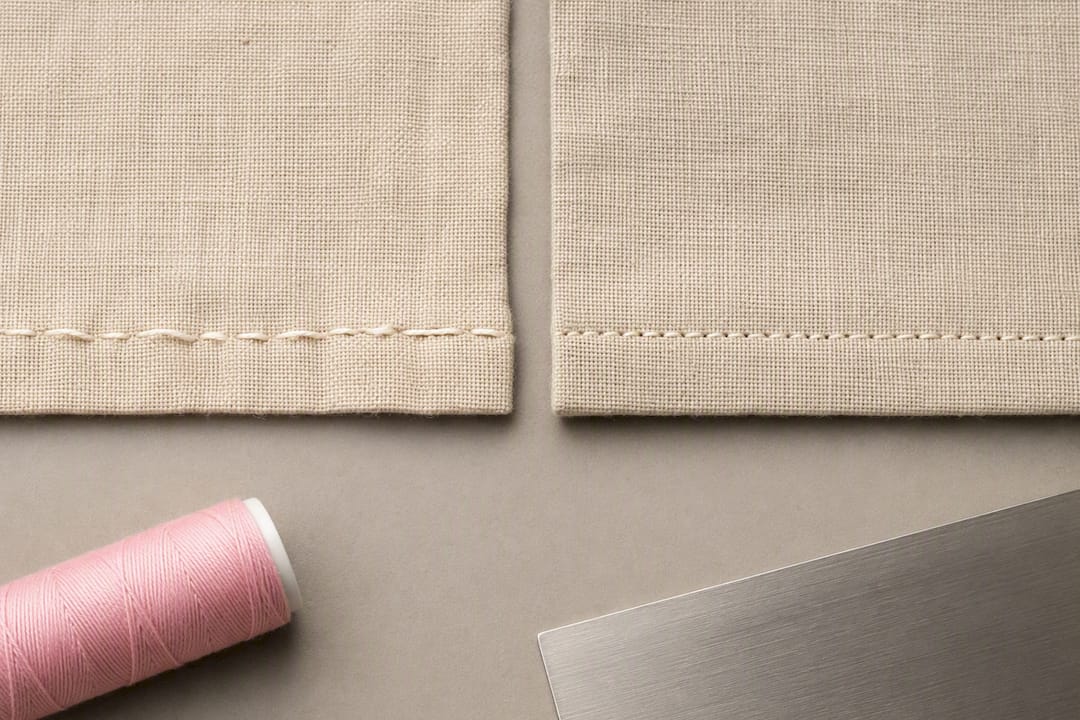
Pro Tip: Never let a hand-finished showpiece sample stand in for what the production line will actually output. If the factory hand-stitched your approval sample, ask for a machine-run version before you sign off.
How do you approve a sample without getting burned?
A golden sample only protects you if it’s documented properly. Goodcantrading’s sourcing guide recommends photographing and signing the golden sample, then attaching it to the purchase order as the contractual reference for the entire run.
Before signing off, check:
- Dimensions against the spec sheet, not just by eye.
- Material composition and weight against what was quoted.
- Stitching, seams, and any structural points under stress.
- Labels, tags, and compliance markings are present and correct.
- Colour under standard daylight, not under warm indoor lighting.
| Red flag | What it usually means | Corrective action |
|---|---|---|
| Sample looks hand-finished, not machine-made | Line may not reproduce it at scale | Request a production-line sample before approving |
| Missing compliance labels | Factory may skip them at volume | Add labelling requirement to the purchase order |
| Colour shifts under different light | Dye lot or substrate mismatch | Request a Pantone-matched swatch alongside the sample |
Keep a signed copy and photos on file. If a dispute comes up mid-production, that record is your leverage.
Why LootsByShiry treats mockups as a starting point, not the finish line
Digital mockups let customers see their name, patch, or colour choice on a loot bag before anything is cut or printed, which speeds up design decisions considerably. But a screen doesn’t confirm whether a patch will sit flush or whether a chosen colour will look right against real fabric. That’s why a physical sample gets ordered when personalization details or brand colours carry real stakes for an event. The process mirrors what larger apparel teams do, just scaled to loot bags and party favours.
— Shiry
Order personalized loot bags with confidence, mockup first
Skipping the guesswork on a party favour order is easier when you can see it before you buy it. Interactive mockups are built into the ordering process so you can preview names, patches, and colour combinations before committing to a batch, and a physical sample is available on request for larger or brand-critical orders.
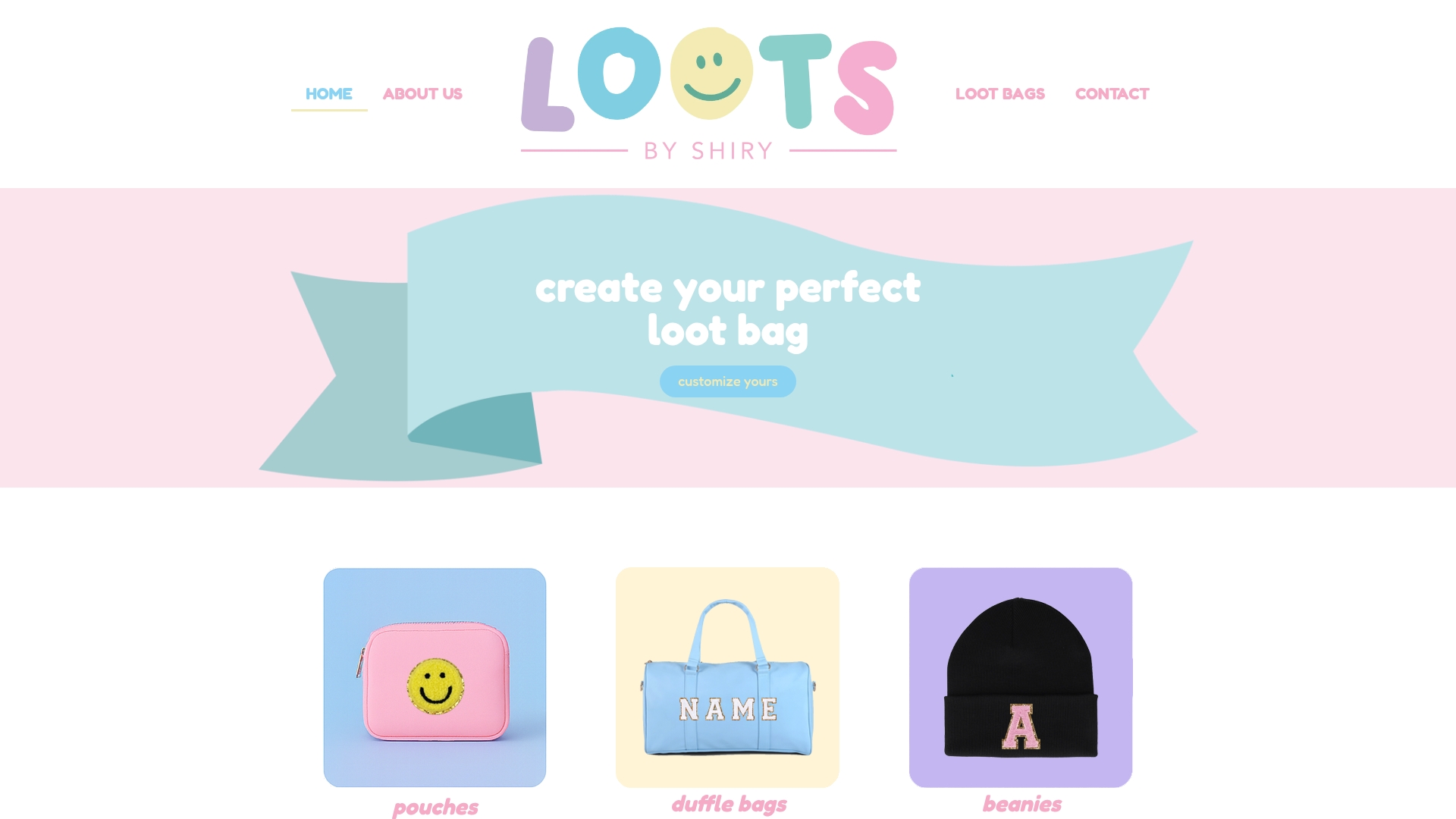
Lead times for a mockup are typically quick since it’s a digital step, while a requested physical sample adds production time and may carry a small fee depending on the customization involved. If you’re outfitting a birthday party, corporate event, or themed gathering, browse the loot bags collection to start building your design, or explore personalization options to see how names, patches, and colours come together before you place your order.
Sources
These sources back the cost, timeline, and protocol claims made throughout this article:
- What Is Digital Sampling in Fashion? Costs & Tools (2026) | Adstronaut AI Blog
- 3D sample review vs physical sample rounds: Cost, lead time, and when you still need the real thing · CLO-SET
- Sample order strategy before bulk production: 2026 guide
- Packaging mockup vs prototype — Whitegraphics
- What Is a Virtual Sample or Mockup? — MFG Merch
FAQ
What does digital mockup mean?
A digital mockup is a visual representation, usually a flat image or 3D render, used to show design placement and get approval before anything physical is produced.
Can you give an example of a digital mockup?
A common example is a rendered loot bag showing a customer’s chosen name, patch, and colour combination on screen before the bag is printed or assembled, similar to what LootsByShiry offers during ordering.
What is a mock-up sample?
The phrase usually refers to a digital mockup used as a stand-in for a physical sample. It shows design direction but doesn’t confirm hand-feel, exact colour on fabric, or manufacturability.
How do you make a digital mockup?
Designers typically use 2D template overlays, 3D rendering software, or AI fabric-swap tools to place a design onto a product image, then export it as a JPEG for quick approval or as an OBJ or GLB file for marketing use.