

Hang tags and stickers win on speed, HTV wins on budget and colour, embroidery wins on durability and looks, and printed bespoke bags win when you need dozens of matching pieces fast. Which one fits depends on your bag material, your timeline, and whether the bag needs to survive a wash. A cotton tote for a wedding calls for a different finish than a paper bag for a kid’s birthday.
TL;DR:
- Embroidery offers the highest durability and washability, making it ideal for reusable bags that are meant to be kept over time.
- Heat transfer vinyl, especially glitter or metallic, works well on fabric bags for parties but needs gentle washing to prevent peeling or cracking.
- Stickers and tags are quick and inexpensive for one-off events, but adhesive labels may lift on textured fabrics or after multiple washes.
- Larger orders benefit from professional printing or embroidery to ensure consistent quality and save time, especially when multiple colors or intricate designs are involved.
- Small finishing touches, like matching ribbon and simple wording, significantly enhance perceived value without adding much cost or complexity.
Table of Contents
- Quick idea list: creative name and monogram treatments by method and occasion
- How to choose the right method for your bag and event
- Step-by-step DIY: stickers, HTV, and patches
- Ordering custom: when to bring in professionals
- Finishing touches that make a bag feel premium
- Care and durability: what to expect from each finish
- Textile labelling and seller responsibilities
- Why a name on a bag changes how it’s remembered
- Order personalised bags without the DIY learning curve
- Authoritative links and supplier examples
- Sources
- FAQ
Quick idea list: creative name and monogram treatments by method and occasion
Once you know the four main routes, the fun part is picking a look. Here’s a working list organized by method, with a quick read on speed, cost, and where to put the name.
Stickers and hang tags
- Weatherproof vinyl name stickers: fast to apply, cheap to print at home, best for one-time paper or cellophane bags.
- Kraft hang tags with calligraphy: slower than stickers but adds a handmade look, great for bridal shower favours.
- Circle seal stickers with initials: fits tightly on ribbon-tied bags, works well for baby showers.
- Printed name cards tucked into the bag opening: no adhesive needed, easy to swap if a guest list changes last minute.
HTV (heat transfer vinyl)
- Glitter HTV names: bold and party-ready, best on cotton tote bags or poly favour bags for birthdays.
- Matte HTV in a single colour: clean and modern, suits corporate gift bags where you want a subtle logo-adjacent look.
- Metallic HTV monograms: gold or silver initials read as upscale on a black or navy tote.
- Two-tone HTV name plus icon: pairs a name with a small shape (star, heart, number) for kids’ parties.
Embroidery and embroidered patches
- Sewn name patches: the most durable option, ideal for reusable totes or duffle bags guests will keep for years.
- Iron-on embroidered patches: quicker than stitching, still looks premium on canvas pouches.
- Monogram-only embroidery: three initials in a classic font, popular for wedding welcome bags.
- Embroidered name plus small motif: a name paired with a stitched icon (anchor, flower, initial wreath) for a finished look.
Printed paper bags and vinyl labels
- Full-colour printed bags: best when you need 50 or more identical bags with names pre-printed in the design file.
- Vinyl address-style labels: mimics a shipping label aesthetic, trendy for modern baby showers.
- Foil-stamped names on kraft paper: adds shine without glitter mess, suits anniversary or corporate gifting.
Hand-lettering
- Paint pen names directly on canvas: cheapest option if you already own the bags, best for small guest counts.
- Metallic marker monograms on paper bags: quick, no equipment needed, good for last-minute additions.
Ribbons, seals, and mixed treatments
- Ribbon with a hand-tied name tag: adds texture and makes the bag feel gift-wrapped rather than mass-produced.
- Wax seal with an initial stamp: elegant for formal events, pairs well with printed or hand-lettered names.
- HTV name plus ribbon accent: combines durability with a decorative finish for a fuller presentation.
Longevity is where these methods really separate. Trade guidance on personalised totes notes that embroidery holds up to repeated washing better than heat transfer vinyl, which needs gentler care to avoid peeling over time. If the bag is a one-day party favour, that difference barely matters. If it is a keepsake tote meant to survive years of use, it changes which method you should pick.
How to choose the right method for your bag and event
Before picking a technique, run through a short list of practical questions. The answers usually point you straight to one method.
- Bag material: cotton and canvas hold both HTV and embroidery well; paper and cellophane only work with stickers, tags, or printing.
- Intended reuse: a bag meant to be reused for years favours embroidery or sewn patches over adhesive stickers.
- Washing needs: if the bag will ever see a washing machine, HTV or embroidery beats paper labels or paint pen.
- Budget per unit: stickers and hand-lettering cost the least; embroidery and professional printing cost more per piece but scale better for large orders.
- Timeline: stickers and hang tags can be ready same-day; embroidery and bulk printing usually need lead time.
- Recipient expectations: a corporate gift or wedding favour reads as more polished with embroidery or printed vinyl than with a marker-written name.
A quick way to think about it: paper gift bags for a one-off birthday party rarely justify embroidery, since the bag itself won’t survive multiple uses. A cotton tote meant as a wedding welcome gift, on the other hand, is worth the extra cost of a sewn patch because guests actually keep totes.
Common red flags to watch for: HTV applied with too little heat peels within days, so test a scrap piece first. Stickers on a textured canvas bag often lift at the corners, so smooth cotton or paper works better for adhesive labels. Embroidery on very thin or stretchy fabric can pucker unless a stabilizer backing is used underneath. If you spot puckering or lifting during a test run, switch materials before committing to a full batch.
Step-by-step DIY: stickers, HTV, and patches
Sticker and hang tag workflow
- Design your name or monogram in a free tool like Canva, keeping font size around 24 to 36 points for a small gift bag and 48 to 60 points for a larger tote-sized tag.
- Print on weatherproof sticker paper or cardstock, depending on whether the bag will be handled outdoors.
- Cut with a paper trimmer or craft cutter for straight edges.
- Attach with a strong adhesive for stickers, or punch a hole and thread ribbon through for hang tags.
- Let ink dry fully before stacking bags to avoid smudging.
HTV workflow
- Set up your design file with text mirrored (flipped horizontally) before cutting, since HTV applies face-down.
- Choose a bold, wide-stroke font around 2 to 3 inches tall for a standard tote, sized down for smaller pouches.
- Cut on a vinyl cutter, then weed out the excess material carefully around small letters.
- Press at roughly 305°F for cotton and a slightly lower setting, around 270°F, for polyester blends, checking your vinyl brand’s instructions since heat tolerance varies.
- Peel the carrier sheet once cool, and avoid washing the bag for at least 24 hours to let the adhesive fully bond.
Patch and embroidery workflow
- Decide between iron-on and sewn patches: iron-on is faster but less durable, sewn patches last through years of washing.
- Use a fusible stabilizer backing on stretchy or thin fabric before pressing or stitching to prevent puckering.
- Centre the patch about one-third of the way down from the top seam for the most balanced look on a standard tote.
- For sewn patches, use a straight or zigzag stitch around the entire edge to prevent fraying.
- For larger quantities or intricate monograms, professional embroidery services produce more consistent results than a home machine.
Pro Tip: Always press or stitch a test patch on a scrap of the same fabric before committing to the full batch. It catches heat or tension problems before they show up on 50 bags at once.
Ordering custom: when to bring in professionals
DIY makes sense for small guest lists and simple designs, but once you’re past roughly 20 to 30 bags, or you need embroidered names, multi-colour prints, or guaranteed consistency, ordering from a supplier usually saves both time and stress.
Before placing an order, ask any vendor these questions:
- What is the minimum order quantity, and does it match your guest count?
- What is the lead time, and does it fit your event date with buffer room?
- Can you see an editable mockup before production starts?
- Is there a character limit on names, and how are longer names handled?
- Does the bag meet basic labelling requirements if it will be resold or given at a paid event?
- What are the shipping timelines and return policy if a name is misspelled?
Loots by Shiry works directly with event hosts on this kind of personalisation, letting customers choose names, patches, and colours for loot bags built for birthdays, corporate events, and themed gatherings. The interactive design process means the customer’s choices drive the final look, rather than picking from a fixed catalogue. For hosts weighing DIY against ordering, seeing how a supplier structures customisation options is a useful gut check before committing to either route.
Finishing touches that make a bag feel premium
Small details often matter more than the name treatment itself. Match the name colour to your event palette, keep hang tags around 2 by 3 inches so they don’t overwhelm a small bag, and word them simply, just a first name or a name plus a short date works better than a full paragraph.
For a more sustainable finish, choose recyclable kraft tags or reusable ribbon over laminated stickers. A few low-effort additions that boost perceived value:
- A short handwritten note tucked beside the name tag.
- A small wax seal or ribbon knot at the bag’s closure.
- A coordinating tissue paper colour that echoes the name’s ink or thread colour.
Pro Tip: Stick to one accent colour across tags, ribbon, and tissue. Mixing three or four colours makes even a well-personalised bag look cluttered.
Care and durability: what to expect from each finish
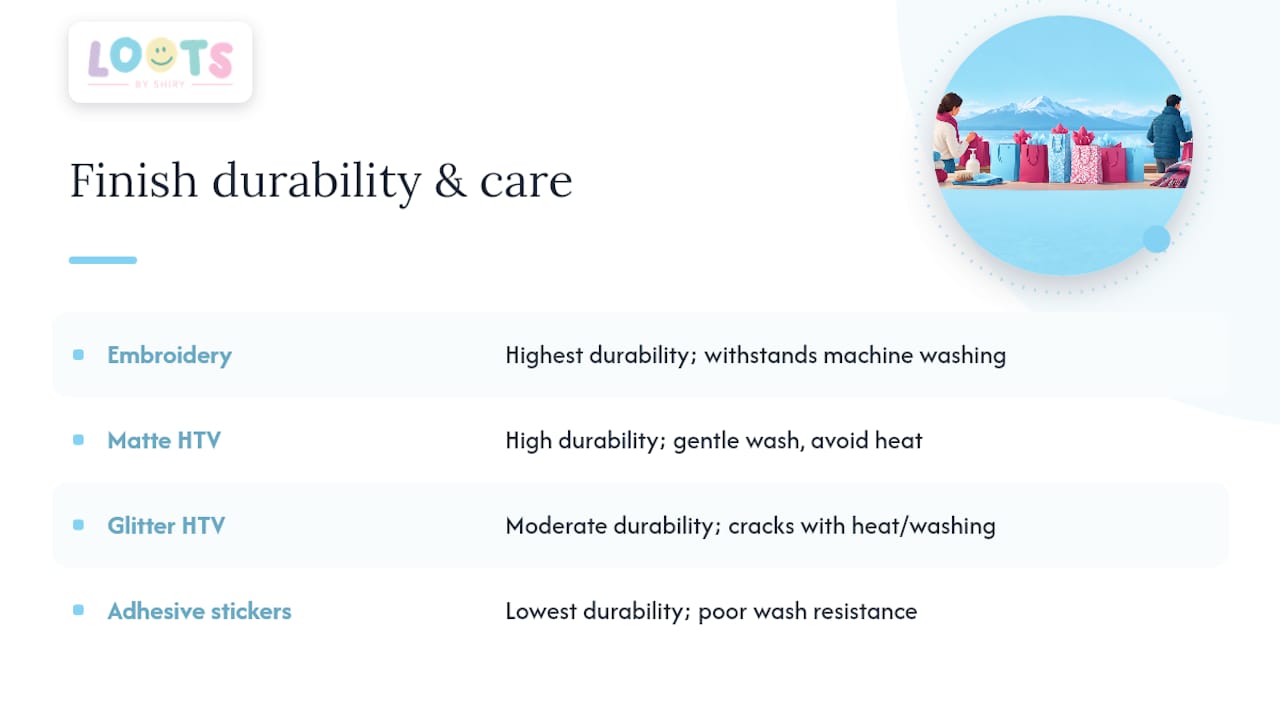
Durability generally ranks embroidery highest, followed by matte HTV, then glitter HTV, with adhesive stickers lasting the least under repeated handling or washing. Embroidery holds up to machine washing far better than iron-on vinyl, which needs gentler handling to avoid peeling.
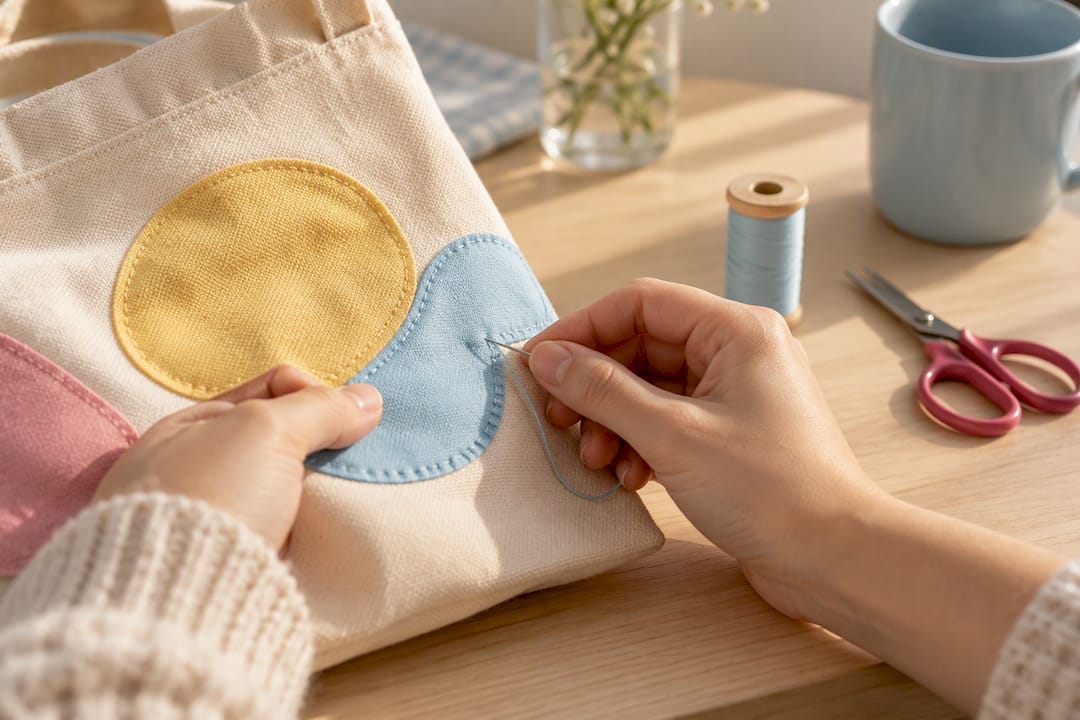
For any fabric bag with a name applied, wash inside-out in cold water and air dry rather than using a dryer, since heat is what causes HTV to lift and glitter finishes to crack. If an HTV letter starts peeling at the edge, a home iron on a low setting with a cloth barrier can often re-adhere it. A loose patch thread just needs a few hand stitches to secure the edge again before it unravels further.
Textile labelling and seller responsibilities
If you’re selling personalised textile bags rather than giving them away, a few labelling basics apply. Commercial sale of textile goods generally requires a legible dealer name and mailing address, or a CA Identification Number, along with fibre-content disclosure where applicable. This guidance specifically covers fabric gift bags and pouches, not just clothing.
For custom or small-batch orders, a printed hang tag or an invoice listing the dealer’s details is often enough to stay compliant without sewing a label into every piece. Full detailed requirements are worth a read if you’re selling in volume rather than gifting bags personally.
Why a name on a bag changes how it’s remembered
A generic favour bag gets tossed before the guest reaches their car. A bag with their name on it tends to stick around, on a shelf, in a closet, sometimes years later. That’s the whole appeal of personalisation: it turns packaging into a small piece of the event itself.
Working with hosts who obsess over these details, from font choice to ribbon colour, it’s clear the name matters more than the bag’s price tag ever does.
— Shiry
Order personalised bags without the DIY learning curve
If pressing vinyl or stitching patches isn’t how you want to spend the week before an event, Loots by Shiry handles the personalisation end to end. Pick from Cotton Tote Bags at $12.00 each, pastel pouches also at $12.00, or Colour Changing Tumblers at $10.00, then add names, patches, and colour choices to match your event.
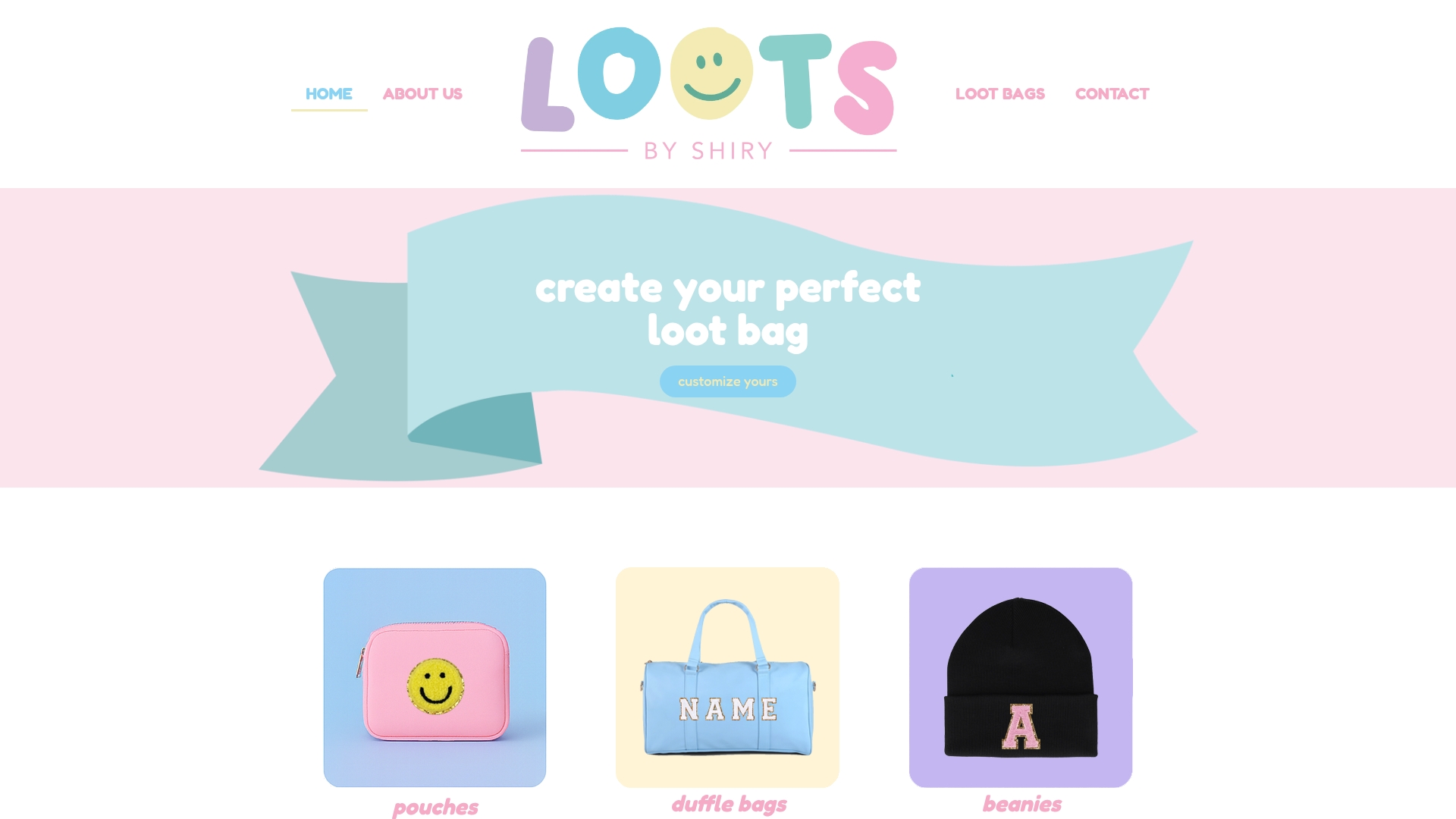
Before ordering, it helps to have ready:
- Your guest list or name spelling list, exactly as you want it printed or stitched.
- A colour palette or theme so patches and bag colours can be matched.
- Your event date, so delivery and wrapping (a flat $0.50 per bag) can be scheduled with room to spare.
Browse the full shop to see current product options, or head straight to the loot bags category to start building a set for your next event.
Authoritative links and supplier examples
For labelling rules, the Competition Bureau’s textile guidance and its detailed requirements page confirm dealer labelling and CA Identification Number rules. For a look at how personalisation ideas translate across other gift categories, this personalised sports gift roundup offers broader creative inspiration.
Sources
- Textile labelling requirements — Competition Bureau Canada
- Modern Personalized Cotton Tote Bag — Crafted Canadian
FAQ
What are some good names for a bag?
A first name, a nickname, or initials all work well, though full first names read most clearly on smaller tags. For matching sets, keep the format consistent across all bags, such as first name only or first initial plus last initial.
What are some ideas for personalized gift bags?
Popular options include HTV names on cotton totes, embroidered monograms on canvas pouches, printed name tags on paper bags, and hand-lettered names in paint pen for a quick, low-cost option. The right choice depends on your bag material, budget, and how long you need the personalisation to last.
How do you write names on gift bags?
For paper or cellophane bags, a paint pen, metallic marker, or printed sticker works directly on the surface. For fabric bags meant to last, heat transfer vinyl or embroidery holds up far better than ink applied directly to the material.
What are some funny names for bags?
Playful labels like “Loot Central,” “Sugar Rush Sack,” or a guest’s name paired with a silly title work well for casual parties. These work best as a fun addition alongside the actual name, rather than replacing it entirely, so guests can still tell whose bag is whose.